01
Slab Leak Detection
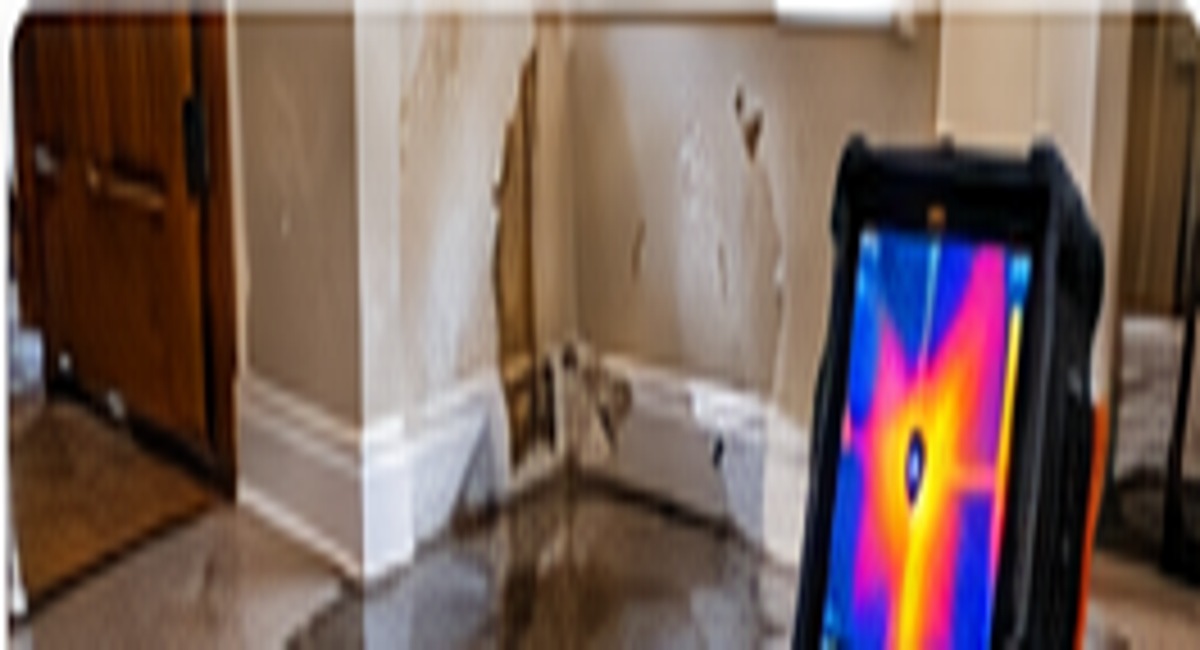
Locate suspected water leaks beneath concrete slabs and narrow the likely source before repair access is chosen.
Explore Slab Leak Detection →Find a focused path for hidden water leaks, slab leaks, underground lines, interior moisture, pool leaks and commercial property concerns. We help connect customers with independent local professionals who evaluate the actual property and choose the appropriate diagnostic method.
Referral model: the independent provider handles on-site inspection, testing, pricing, licensing and repair scope. DeSoto Leak Detection does not transfer provider credentials to the referral brand.
Each service page answers a different commercial search intent while reinforcing the main DeSoto leak-detection topic through contextual internal linking.
Locate suspected water leaks beneath concrete slabs and narrow the likely source before repair access is chosen.
Explore Slab Leak Detection →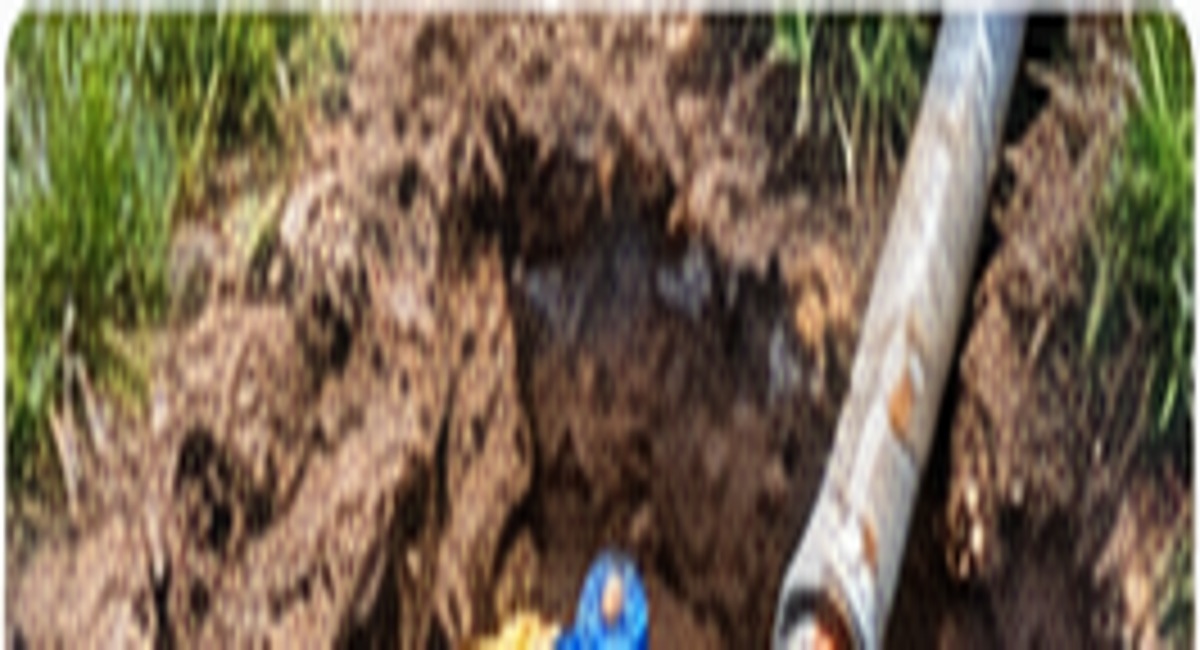
Investigate suspected buried water-line leaks that show up as wet ground, water loss, pressure changes or meter activity.
Explore Underground Main Line Detection →
Trace hidden plumbing moisture behind finished surfaces when stains or dampness do not reveal the actual source.
Explore Interior Wall & Ceiling Leak Detection →
Investigate unexplained pool or spa water loss and narrow the problem to plumbing, equipment or structural sources when appropriate.
Explore Pool & Spa Leak Detection →
Support source-location decisions for offices, retail spaces, facilities and other commercial properties where hidden moisture can disrupt operations.
Explore Commercial Property Leak Inspection →
Connect customers with qualified professionals for specialized gas-leak and HVAC refrigerant concerns that require dedicated equipment and safe handling.
Explore Gas & HVAC Refrigerant Leak Detection →
Use sound-based diagnostics to narrow suspected pressurized water leaks in concealed or buried piping.
Explore Acoustic Ground Microphone Testing →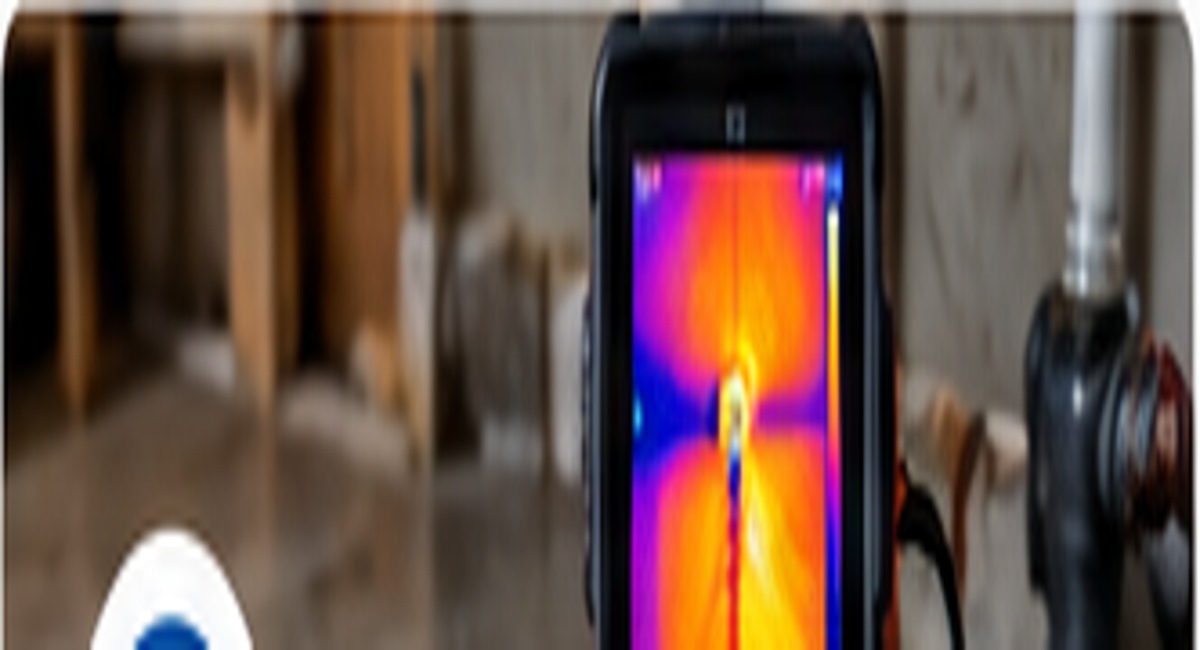
Use thermal and moisture observations to identify patterns that may point toward concealed water intrusion behind finished surfaces.
Explore Thermal Imaging & Moisture Scans →
Use controlled tracer-gas methods when conventional approaches do not isolate a concealed line leak clearly.
Explore Tracer Gas Line Testing →Searchers often know the symptom before they know the technical service name. Use these pathways to move from clue to diagnostic topic.
Unexpected meter activity or a higher bill can be an early clue that deserves investigation.
Underground detection →Warm, cool, damp or persistently wet flooring can point toward a concealed plumbing issue.
Slab leak detection →The visible stain may be where water arrived, not where the leak began.
Interior detection →Compare normal evaporation with abnormal loss and consider plumbing, equipment or structure.
Pool detection →Persistent outdoor moisture away from normal drainage can justify a buried-line investigation.
Main-line detection →Acoustic, thermal, moisture and tracer methods can help narrow a concealed source when appropriate.
Tracer-gas testing →Leak detection is not one universal test. Pipe material, pressure, accessibility, background noise, moisture conditions and the suspected system influence the method.
The website starts the conversation. The independent provider handles the physical work.
Share the symptom, timing, property type and ZIP.
The request is routed toward the appropriate service type.
The independent professional selects the actual test.
The provider explains findings and options.
We do not transfer provider credentials to the referral brand. Licenses, certifications, reviews, pricing, availability, workmanship and repair guarantees belong to the actual provider and should be verified with them.
These are target search references for the campaign, not a claim of a physical office or universal street-service eligibility.
Every area page is written around a different symptom, search intent and diagnostic angle rather than only swapping the neighborhood name.
These answers connect symptoms, service types, methods and the referral model.
Start with the symptom. Floor-level symptoms can point toward slab detection, wet ground may justify underground-line investigation, and a ceiling stain may need interior moisture/source evaluation. A qualified provider selects the final method after assessing the situation.
Unexplained water use, damp areas, water stains, running-water sounds when fixtures are off, recurring moisture, pressure changes and persistent wet ground can all be clues. None proves the exact source by itself.
Many detection methods are intended to reduce unnecessary demolition by narrowing the suspected source before repair access is chosen. The provider decides what access is appropriate.
The site targets DeSoto search intent associated with ZIP codes 75115 and 75123. During a call, provide the full service address so the provider can confirm eligibility.
No automatic assumption is made. This is a referral service; the independent provider who accepts the request determines inspection, testing, repair, pricing and licensing requirements.
Share where the symptom is appearing, when it started, whether it is active or intermittent, whether water use changed, and whether the property is residential or commercial.
Start with the symptom and property type, then use the local referral line to request an appropriate professional connection. “Near me” searches can identify local options, but the provider should still confirm the exact service address, scope and availability.
Call and explain the symptom, property type and ZIP.
Use these guides to understand the symptom and diagnostic process before choosing a service.
Read the answer-first guide, key symptoms, diagnostic context and next steps.
Read the guide →Read the answer-first guide, key symptoms, diagnostic context and next steps.
Read the guide →Read the answer-first guide, key symptoms, diagnostic context and next steps.
Read the guide →Read the answer-first guide, key symptoms, diagnostic context and next steps.
Read the guide →Read the answer-first guide, key symptoms, diagnostic context and next steps.
Read the guide →Read the answer-first guide, key symptoms, diagnostic context and next steps.
Read the guide →