What Is a Slab Leak?
In many homes, the pressurized hot and cold water-supply lines run beneath, or partly within, the concrete slab the house sits on. A slab leak is a leak in one of those concealed lines. Water escapes under pressure, but the pipe itself is out of sight below flooring and concrete, so the problem usually announces itself through side effects rather than a visible drip.
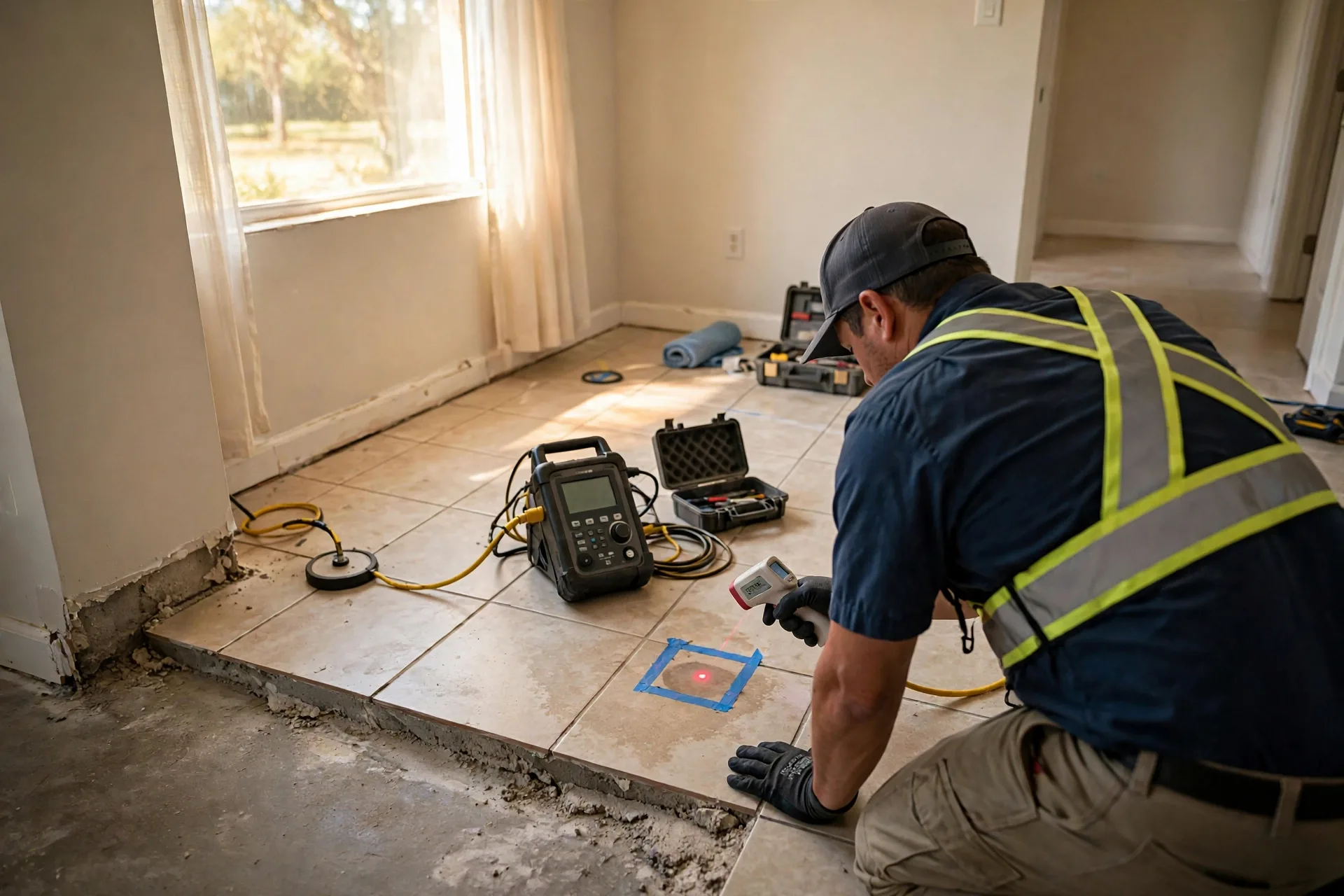
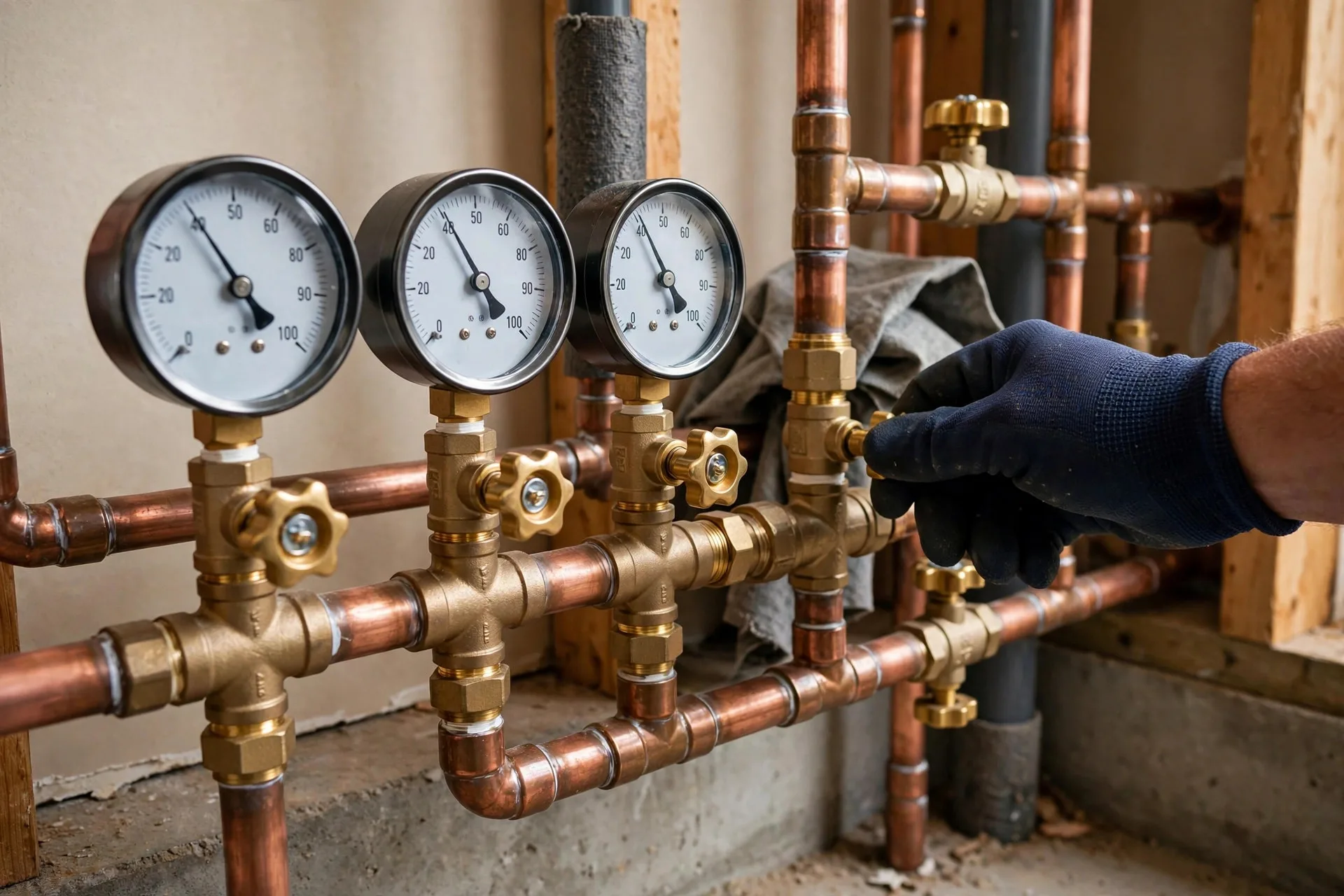
Many DeSoto homes built on slab foundations have copper pipe running under the concrete. A pinhole leak in a copper line can release water slowly for weeks before it is noticed, and expansive clay soil that swells and shrinks with the seasons can add stress to the line. A warm spot on floor areas above a hot water line is one of the clues that can point to this kind of failure, which is why a static pressure test is often used early to confirm whether the supply system is holding pressure.
Under-slab pipes can develop leaks as joints and pipe materials age or wear, or when movement and pressure stress a line over time. Not every property is built the same way, though: some homes route most supply plumbing overhead or through walls, and similar symptoms can come from drain lines, appliances, air-conditioning condensate or surface water rather than a supply line under the slab. That is why a proper inspection starts by establishing which system is losing water before anyone concludes it is a slab leak. For the broader picture, see the DeSoto leak detection overview.
What Causes Slab Leaks in DeSoto Homes?
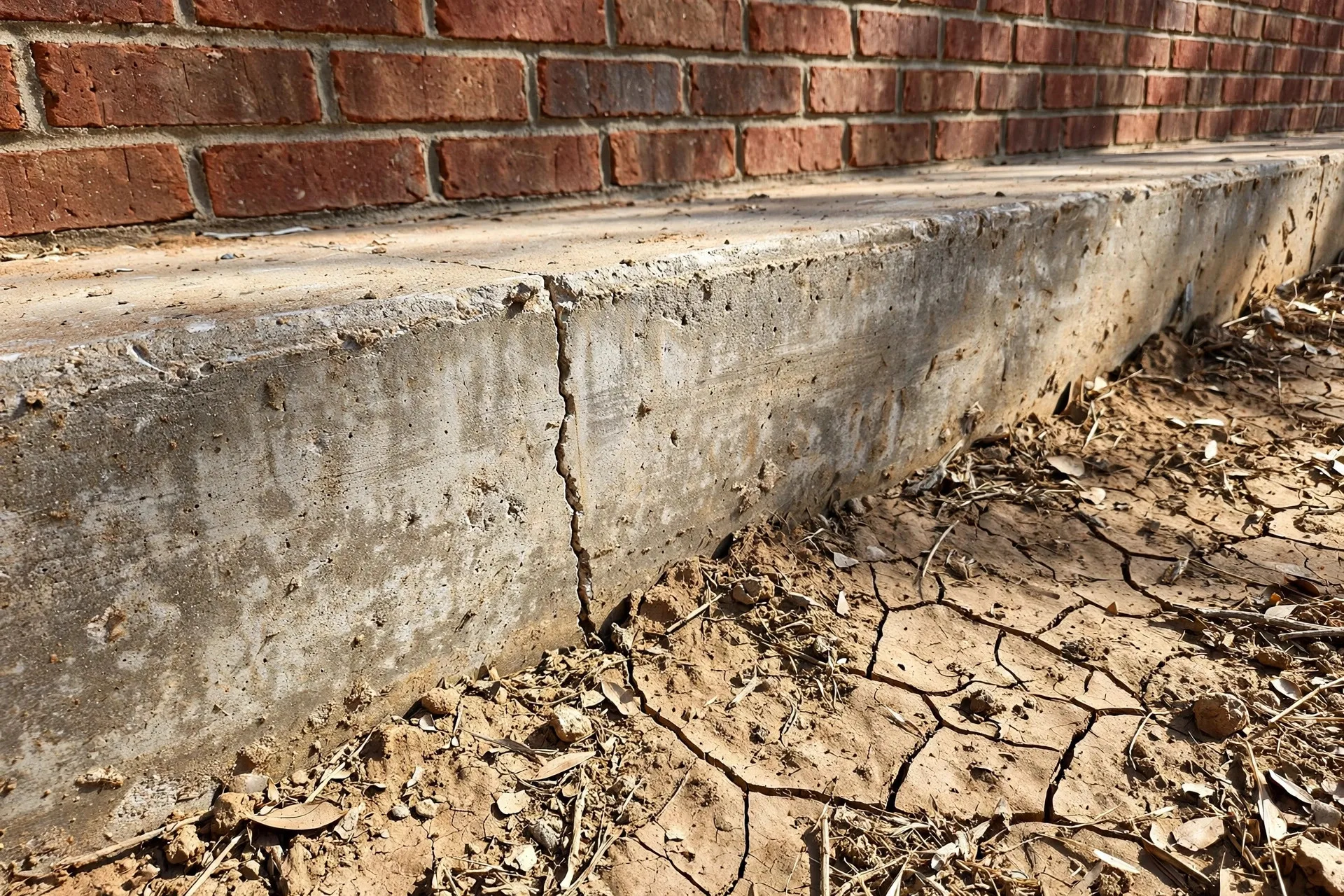
Slab leaks often result from more than one condition acting over time. DeSoto sits on expansive clay soil that swells when wet and contracts as it dries. That movement can shift or stress a slab and the pipes below it. Aging copper can thin through corrosion and develop a pinhole, sustained high water pressure can add stress at weak sections and fittings, and installation damage or abrasion against surrounding material can create a failure point. A warm floor, bill increase or pressure change is a clue, not proof of a particular cause. The inspection should establish the location and the supporting evidence before a repair method is selected.
Signs That May Indicate a Slab Leak
No single sign proves a slab leak, each one has other possible causes. What matters is the pattern, especially when several signs appear together or keep getting worse:
- Unexplained increase in water usage. A water bill or usage reading that climbs without a change in habits is often the first clue that water is escaping somewhere concealed.
- The water meter keeps moving when fixtures are off. If every tap, appliance and irrigation line is off and the meter still registers flow, water is going somewhere. Our guide explains how to check a water meter for leaks safely.
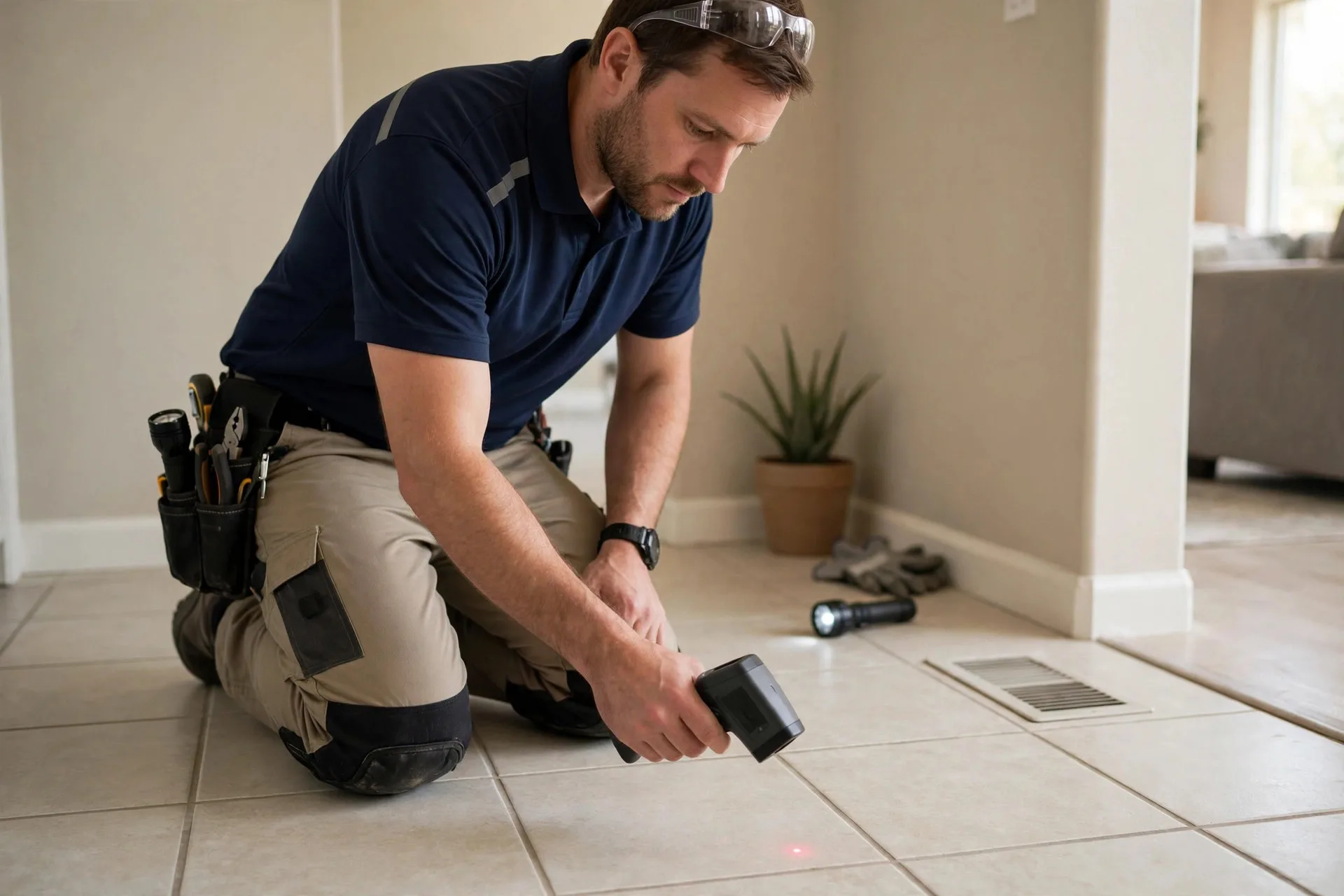
- Warm or unusually cool floor areas. A leaking hot-water line can warm the flooring above it. Warm spots are a classic slab-leak clue, but they do not appear with every leak, cold-line leaks may feel cool or simply damp.
- Damp, warped or discolored flooring. Persistent moisture in one area, flooring that lifts or stains, or carpet that stays damp without a spill.
- The sound of running water when nothing is on. A faint hiss or flow sound with all fixtures closed can accompany a pressurized line leaking under the slab.
- A drop in water pressure. Pressure changes have several causes, but combined with the signs above they strengthen the case for an inspection.
- Moisture that keeps coming back. Areas that appear wet again after drying, or recurring dampness near a concrete floor, deserve investigation rather than repeated cosmetic fixes.
A foundation crack by itself does not automatically mean a plumbing leak, and a warm floor by itself does not confirm one. The detailed symptom guide, slab leak warning signs, walks through each clue, and slab leak or foundation problem? explains how to think about the difference.
When to Seek a Professional Inspection
An inspection is worth arranging when the meter suggests a continuing leak, when several signs appear together, when symptoms persist or spread, or when you cannot identify the source yourself. Waiting rarely improves an under-slab leak: the escaping water keeps being billed, and concealed moisture can keep affecting flooring and materials around it.
One safety note: if active water is reaching electrical outlets, panels or appliances, keep away from the affected area. If you know how to shut off your home's water supply safely, you may do so; for any immediate hazard, contact the appropriate utility or emergency professional first. This referral service is an inspection connection, not an emergency dispatch line.
How a Slab Leak May Be Investigated
There is no single universal procedure, the provider adapts the work to the property, the plumbing layout and the evidence. A typical investigation moves through these stages:
Gather symptoms and history
Where the signs appear, when they started, any bill changes, and what plumbing work has been done before.
Review water use and the meter
Usage patterns and meter behavior help establish whether water is being lost and whether the loss is continuous.
Select and run diagnostic methods
The provider chooses from listening, thermal, moisture and pressure-based methods based on the suspected line and site conditions.
Interpret findings and discuss next steps
The provider explains where the evidence points, what was ruled out, and whether further testing, access or a repair assessment is needed.
Detection Methods for Under-Slab Leaks
Each method produces a different kind of evidence. A careful provider combines them instead of treating one instrument reading as a guaranteed map of the leak.
Not every provider offers every method, and not every leak needs all of them. For deeper explanations, see acoustic ground microphone testing, thermal imaging & moisture scans and tracer gas line testing, or the step-by-step guide on how slab leaks are located.
Slab Leak Detection vs. Slab Leak Repair
Detection and repair are two different jobs. Detection investigates the suspected leak: confirming whether water is being lost, gathering evidence about the source, and narrowing the location as far as the methods and conditions allow. Repair is the corrective work that follows, and it carries its own scope, price and agreement.
Detection does not automatically include repair, and DeSoto Leak Detection does not perform either the inspection or the repair itself. If repair is available through the provider you are connected with, confirm directly with them what the repair would involve, what it costs, what access it requires and what credentials apply. The comparison guide leak detection vs. leak repair explains the distinction in more detail. Repair options the provider may discuss include a targeted spot repair, a reroute that bypasses the leaking section, or tunneling under the slab from outside the home.
Slab Leak Repair Options: How the Method Is Chosen
After the location and pipe condition are understood, a licensed plumber may discuss one or more of these repair routes. Detection identifies the problem area; it does not by itself choose the repair.
- Spot repair: The slab is opened at the confirmed leak point and the failed section is repaired. This route is usually considered when there is one accessible failure and the surrounding pipe appears sound.
- Reroute: The leaking under-slab section is abandoned and a replacement line is run through a wall, ceiling or another accessible route. A reroute may fit when the buried pipe is deteriorated, difficult to reach or has failed more than once.
- Tunneling: Soil is excavated from outside and beneath the slab to reach the pipe while limiting interior floor disruption. Soil conditions, access, safety, drainage and restoration needs affect whether tunneling is practical.
- Pipe lining: A lining is installed inside an eligible existing pipe. Diameter, layout, bends and the condition of the host pipe determine whether lining can be considered, so it is not an option for every line.
- Full repipe: A broader section, or the full supply system, is replaced when failures are recurring or deterioration is widespread. It has the largest scope, but it can address an aging system rather than one isolated section.
The decision should weigh the number and location of leaks, pipe material and condition, flooring and access, the likelihood of further failures, permit and restoration requirements, and a separate written repair quote. For a fuller side-by-side look at how the five routes differ, see our guide to slab leak repair options compared, including the repair-or-repipe decision factors. See the detailed comparison of slab leak repair dallas tx methods and decision factors for the Dallas area.
What Affects the Cost of a Slab Leak Inspection?
This website does not set inspection prices, and quoting a figure here without knowing your property would be misleading. In general, a provider's inspection price reflects:
- The property's size and plumbing configuration.
- How accessible the suspected pipe and the affected areas are.
- How complex or ambiguous the symptoms are.
- Which diagnostic equipment and methods the investigation requires.
- How many suspected areas need to be checked.
- Whether additional testing is needed after the first round of evidence.
Keep inspection fees and repair costs separate in your mind: the inspection price covers the diagnostic work and findings, while any repair is priced afterward based on what was found. Before booking, ask the provider what the inspection includes and what it costs. The guide to leak detection cost factors explains this in full.
Why Waiting Can Make a Slab Leak More Damaging
According to the EPA, the average household's leaks can waste nearly 10,000 gallons of water a year. An under-slab leak can be especially difficult to judge from the surface because water may continue moving into soil or base material until the line is isolated. Delay can allow that water to erode or soften supporting soil, contribute to voids beneath the slab, and increase the chance of slab or foundation movement. It can also damage flooring and nearby materials and expand the eventual restoration scope. Delay does not cause the same result in every home, and foundation movement has other causes. Recording bill changes, meter behavior and new floor symptoms gives the provider a timeline and helps the next step stay based on evidence.
Preparing for a Slab Leak Inspection
A few observations gathered beforehand make the inspection faster and more accurate:
- Note when the symptoms started and whether they are constant or intermittent.
- Save recent water bills, or note how usage has changed.
- If it is safe and easy to do, observe whether the water meter moves when all fixtures are off, and write down what you saw.
- Identify the affected rooms and the approximate areas of dampness, warmth or sound.
- Mention any previous plumbing work, repairs or related symptoms.
- Have your full property address and ZIP code ready so coverage can be confirmed.
Do not open the slab, cut into flooring, or alter the plumbing yourself to "help", the diagnostic methods are designed to narrow the source first, and unnecessary opening can destroy useful evidence. The leak detection checklist before calling covers the same preparation in a printable form.
When you call, explain where you see the symptom, whether it changes with water use, how long it has been present, and whether the property is a home, a business or another facility. That short description helps route you to the right kind of inspection.
Choosing the Right Provider: Questions to Ask
Because the independent provider performs the actual work, their answers matter more than any website's claims. Useful questions include:
- Which diagnostic methods may be suitable for this suspected leak, and why?
- What exactly does the proposed inspection include, and what does it not include?
- Will you provide a written report or a clear explanation of the findings?
- What are the inspection charges, and are repairs quoted separately?
- If repair is needed, does it require a separate agreement?
- What credentials or licensing apply to the proposed work?
These are general evaluation questions, not verified claims about any specific provider. See also questions to ask a leak detection provider.
Slab Leak Detection in the DeSoto Area
This page focuses on slab leak detection for properties in DeSoto, Texas, including the 75115 and 75123 ZIP code areas. Those ZIP codes are coverage references, when you call, give the full property address so the provider can confirm that your specific location can be served. If your symptoms point somewhere other than the slab, persistent wet ground near the main line, for example, the underground main line detection page may be the better starting point, and the DeSoto service-area directory lists the wider coverage.
Frequently Asked Questions
What is a slab leak?
A slab leak is a leak in a water-supply pipe that runs beneath or within a building's concrete slab foundation. Because the pipe is concealed under concrete, the leak itself is hidden, what you notice are its effects, such as higher water use, damp flooring or the sound of running water.
What are common signs of a possible slab leak?
Common signs include an unexplained rise in water use or your water bill, a water meter that keeps moving when all fixtures are off, warm or unusually cool floor areas, damp or damaged flooring, the sound of running water when nothing is on, a drop in water pressure, and moisture that keeps returning. Each sign has other possible causes, so the pattern matters more than any single clue.
How can I tell whether an unexplained water bill may indicate a leak?
Start by comparing your current usage with earlier bills and the same season last year. Then, with every fixture and appliance off, watch whether the water meter still registers flow. If it moves, water is going somewhere, but the bill and meter cannot say where. Locating the source is the job of a professional inspection.
Can a slab leak be located without removing flooring?
Often the source can be narrowed without opening the floor, using acoustic listening, thermal imaging, moisture measurement and pressure testing first. That reduces unnecessary demolition. Confirming or repairing the leak may still require access at the identified spot, and the provider will explain that before any work begins.
Can acoustic equipment help locate a slab leak?
Yes, acoustic testing is often a primary method for pressurized under-slab lines, because escaping water produces sound that listening equipment and ground microphones can compare along the line's route. Its usefulness depends on water pressure, pipe material, flooring and background noise, so providers often combine it with other evidence.
Does thermal imaging confirm a slab leak?
No. A thermal camera shows surface temperature patterns, for example, a warm area above a hot-water line, and those patterns suggest where to investigate further. Temperature differences have other causes, so thermal imaging supports a conclusion alongside other evidence; it does not confirm a leak by itself.
How long does a slab leak inspection take?
There is no fixed duration. The time depends on the size of the property, the number of suspected areas, which methods the evidence calls for, and how accessible the plumbing is. Ask the provider for a time estimate when you book, based on your property and symptoms.
What affects the cost of slab leak detection?
The main factors are the plumbing configuration, accessibility of the suspected pipe, complexity of the symptoms, the equipment and methods required, the number of areas to check, and whether additional testing is needed. Inspection fees are separate from repair costs, and this website does not set prices, ask the provider what the inspection includes and what it costs before booking.
Is slab leak detection the same as slab leak repair?
No. Detection investigates the suspected leak and identifies or narrows its source; repair is the separate corrective work carried out afterward, with its own scope, price and agreement. Detection does not automatically include repair, and the provider you are connected with will confirm whether they offer repair and on what terms.
What should I do before contacting a provider?
Note when the symptoms started, save recent water bills or usage changes, observe whether the water meter moves with all fixtures off if you can do so safely, identify the affected rooms or areas, and mention any previous plumbing work. Have the full property address and ZIP code ready so coverage can be confirmed.
How does the DeSoto Leak Detection referral process work?
You call (972) 947-9742 and describe the symptom, the property type and the address. Your request is directed toward an independent provider for slab leak inspection, and that provider confirms the inspection scope, availability, pricing and next steps directly with you. DeSoto Leak Detection does not perform the inspection or any repair itself.
How expensive is it to repair a slab leak?
Repair cost depends on where the leak sits under the slab, how it will be accessed, the pipe material, and the repair route the provider recommends, such as a spot repair, a reroute, or tunneling. Detection and repair are priced separately. The provider should explain the options and the price for each before work begins.
Can slab leaks be repaired?
Yes, slab leaks can usually be repaired once the location has been narrowed by testing. The repair route depends on the pipe, its condition, and access: options can include opening the slab at one spot, rerouting the line, or tunneling from outside. The provider explains which route fits your property before starting.
Does homeowners insurance cover plumbing leaks under-slab?
It depends on the policy. Some policies respond to sudden, accidental water damage, while wear, gradual leaks, and access or repair costs can be treated differently. A documented inspection that identifies the source helps support a claim. Review your policy wording, or ask your insurer what applies, before repair work begins.
What to do if a slab is leaking?
Start by noting the signs and saving recent water bills. If you can do so safely, check whether the meter moves with all fixtures off. Avoid breaking the floor yourself, because the visible symptom may sit away from the source. Then arrange a professional inspection so testing can narrow the location first.
How long do slab leaks take to fix?
Timing depends on the leak location, how the pipe will be accessed, and the repair route chosen, so no fixed duration can be promised in advance. A targeted spot repair, a reroute, and tunneling each involve different steps. After detection, the provider can give a realistic schedule based on your property.
Do slab leak repairs in DeSoto or Dallas need a permit?
Slab penetration and plumbing alteration work is commonly subject to city permit and inspection requirements. The licensed provider performing the repair should confirm the rule for the specific job and pull any required permit before work begins. Ask for the permit plan in writing. This website cannot confirm a city requirement for an individual property or repair scope.
How can a leak detection report help with an insurance claim?
A written findings report can document the symptoms reported, the methods used, the location evidence, any readings or photographs the provider supplies, and the recommended next step. A homeowner can give that record to an insurer or repair plumber. The report does not decide coverage or promise payment. Policy terms, the cause of loss and the insurer review control the claim outcome.