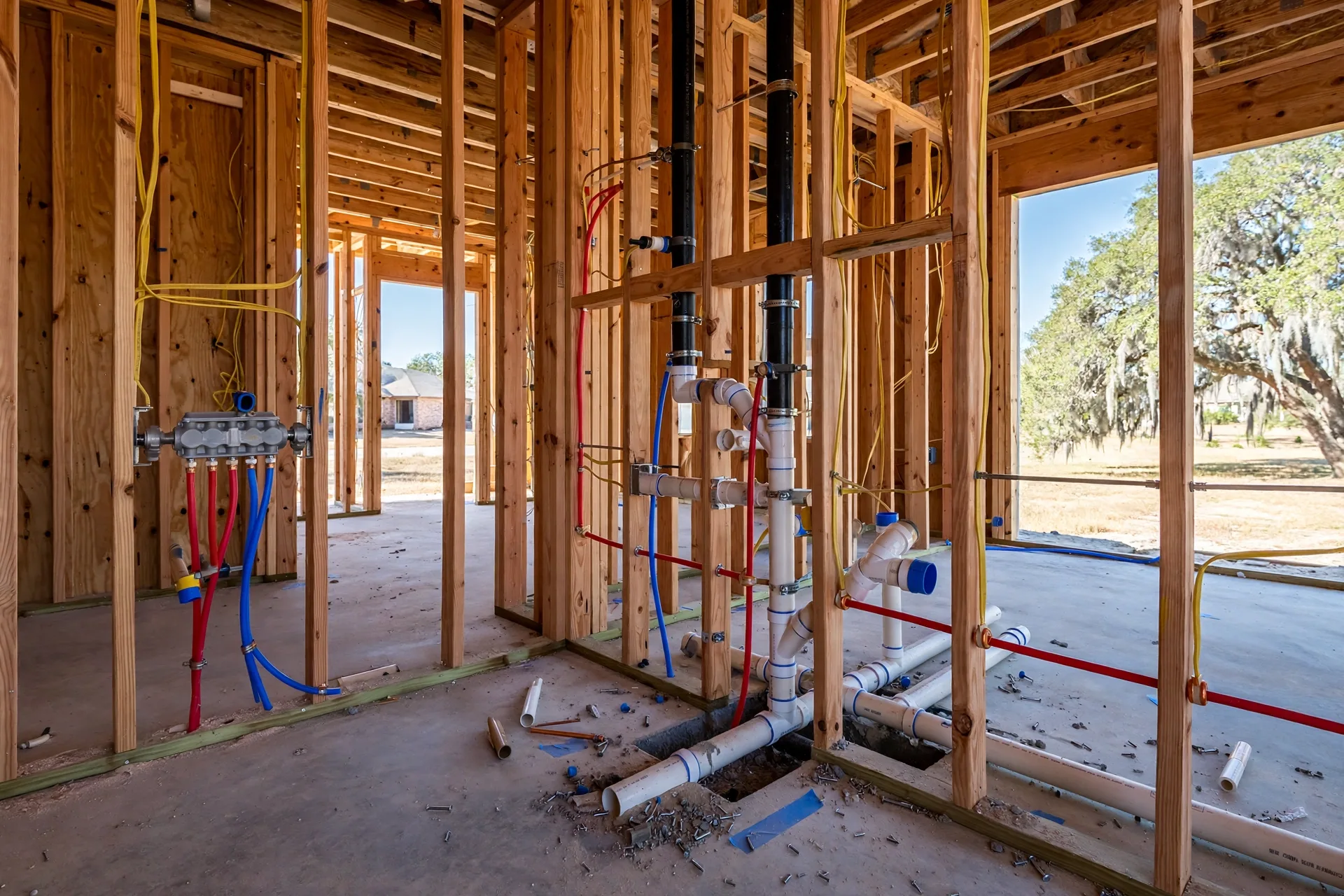
Newness changes the context, not the laws of water. A recently built home can have an improperly seated fitting, a damaged component or a leak that only appears under operating conditions. A remodel can introduce new connections and alter plumbing routes, which makes good documentation especially valuable.
New-property leak clues
Pay attention to symptoms that appear soon after occupancy, renovation or system changes.
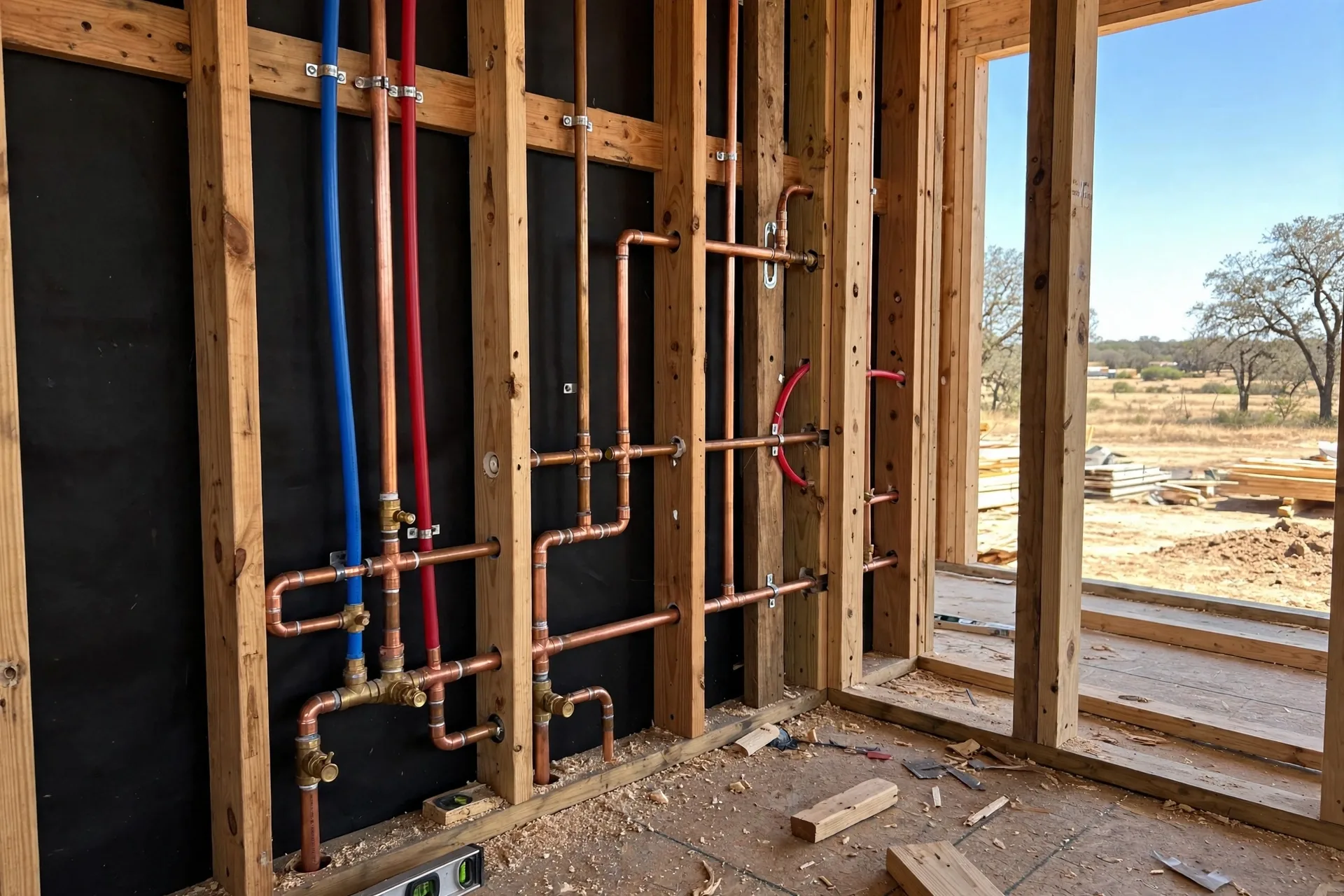
- Water use is unexpectedly high shortly after move-in.
- A new fixture or appliance connection shows dampness.
- A pressure test or commissioning check identifies an unexpected loss.
- Drywall, flooring or trim becomes damp near newly installed plumbing.
- A leak begins after a remodel when a particular fixture or appliance is used.
How a professional evaluation is typically approached
The most useful approach combines inspection with project documentation.
Why documentation matters after construction
A new property often has multiple parties involved: builder, plumbing contractor, HVAC contractor, pool contractor, remodeler and warranty administrator. A clear timeline of when the symptom first appeared and what was installed nearby can help determine who should inspect the issue.
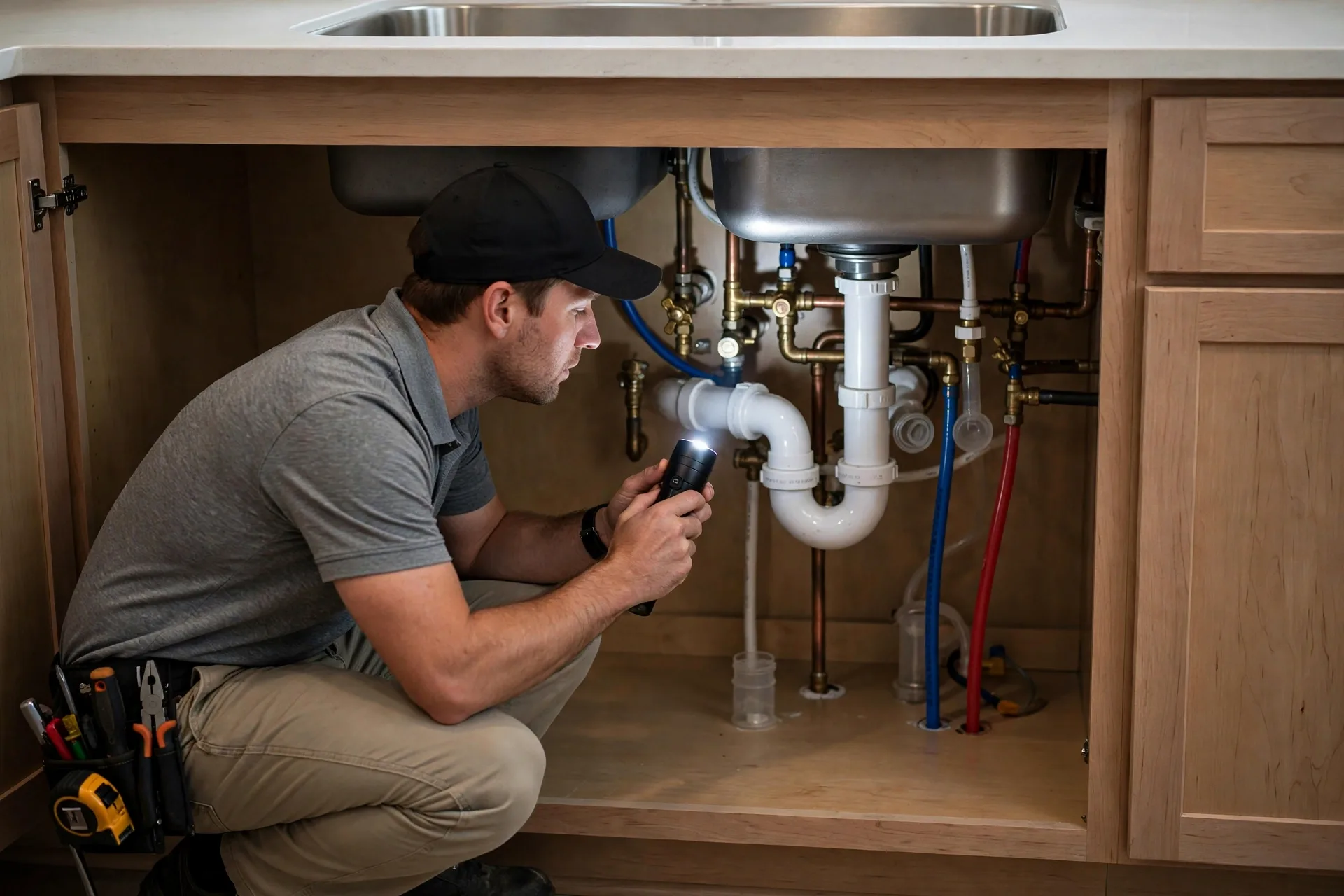
For hidden leaks, source location may be useful before any wall, floor or finish is opened. The goal is to preserve the building while narrowing the source and documenting the condition accurately.
Hydrostatic Testing for New Construction and Pre-Purchase Checks
In hydrostatic pressure testing, a plumbing system or an isolated section is filled with water, pressurized and monitored for pressure loss during the test period. A stable result and a falling result answer a narrow question: whether that tested section held pressure under the stated conditions. Air in the system, temperature change, test setup, valves and connected fixtures can affect interpretation, so a licensed plumber should interpret the result and decide whether further isolation is needed.
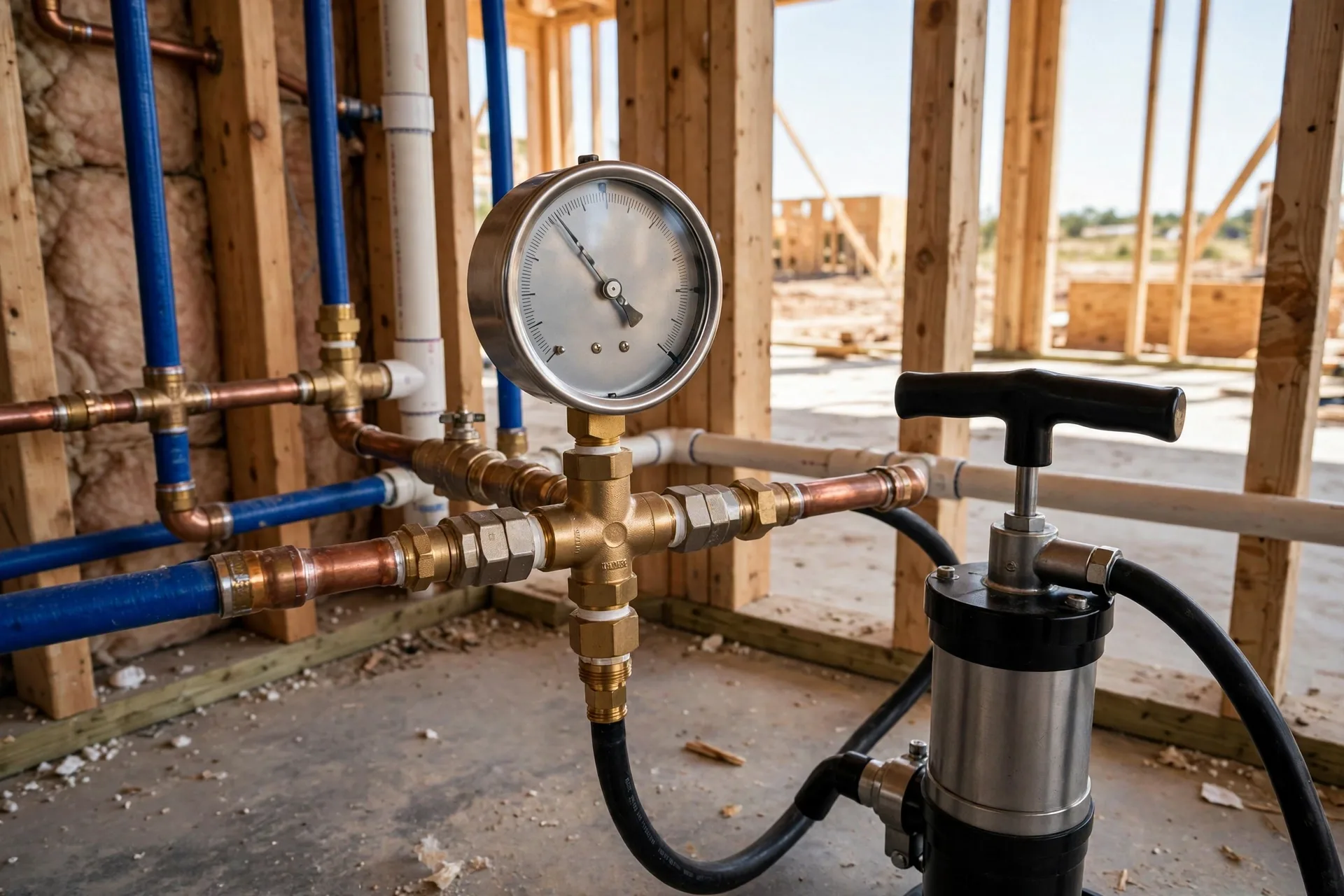
During new construction, pressure-hold testing can support commissioning before walls and floors are closed and again when a symptom appears after completion. It can help identify a fitting, connection or installation problem while access is still practical. The responsible tester, test pressure, duration and acceptance standard depend on the system, project documentation and applicable requirements, so those details should be recorded with the result.
The same evidence can be useful during a pre-purchase option period in DeSoto or Dallas. Buyers, sellers and realtors may consider hydrostatic testing when a slab home has unexplained water use, prior leak repairs, plumbing renovations or other risk signs. Like other forms of leak detection desoto tx, the test is one diagnostic input. It does not certify the whole plumbing system, locate every leak by itself or predict future failures.
For buyers and sellers weighing this test during a purchase, our guide to hydrostatic testing before buying a home explains how the test is used in a Texas option period, what sellers should know, and the usual next steps if a system fails.
What to have ready before you call
Have ready:
- Move-in or remodel date
- Plumbing or fixture work records
- Plan drawings if available
- Where and when moisture appears
- Any warranty contacts already notified
Common questions
Can a brand-new home have a hidden leak?
Yes. New components can still leak because of installation, damage, connections or other issues.
Should a new construction home be pressure tested?
Appropriate water-system testing is commonly part of construction quality control, but the responsible party and test scope vary. Review the project documentation and local requirements.
Who pays for leak detection in a new home?
That depends on the contract, warranty and cause. The property owner should review the applicable documents with the builder or service provider.
Can leak detection damage a new home?
The diagnostic process can be designed to minimize unnecessary access. Any repair access depends on the source and the provider's findings.
Should I get a hydrostatic test before buying a home in DeSoto or Dallas?
Consider it when the option period allows access and the home has slab plumbing, unexplained water use, prior leak repairs, major plumbing work or symptoms that justify more than a visual review. Coordinate the request through the transaction parties and use a licensed plumber. Review the stated test scope, because a pressure result covers only the section and conditions tested.
What does a failed pressure hold mean?
A failed pressure hold means the pressure fell during the test. That can indicate water escaping from the tested section, but test setup, trapped air, temperature change or a valve can also affect the reading. The result does not identify the exact location, cause, repair method or cost by itself. Further isolation and location work are used to narrow the source.
Practical, sourced and transparent
We separate what can be explained from general guidance, what depends on the property, and what must be confirmed by an independent provider or public authority.
Clear authorship
Prepared by the DeSoto Leak Detection Editorial Team with a reader-first editorial process.
Claim discipline
No fabricated reviews, licenses, awards, pricing promises, response times or field-work claims.
Primary-source links
Safety and utility topics point readers to official sources when a public authority is the right reference.
Sources and further reading
Sources & further reading
Need help with a suspected leak?
Call and explain the symptom, property type and ZIP. This referral service can help connect you with an appropriate local professional.