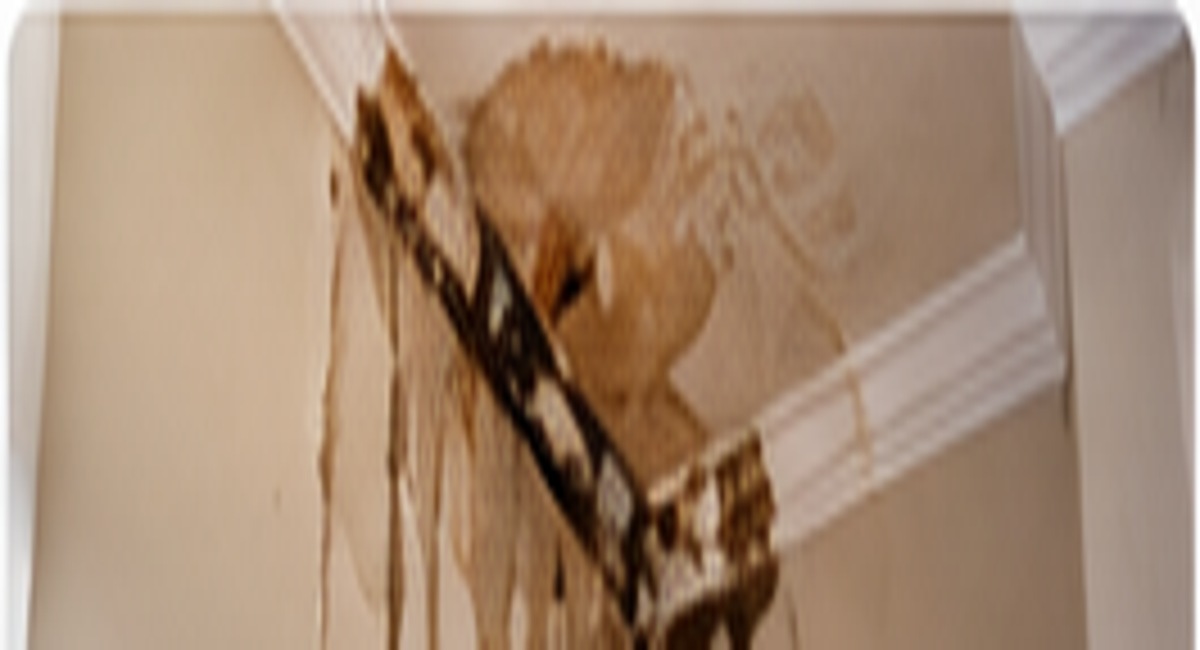
Start with where the water is appearing
Look around the tank, supply connections, shutoff valve, temperature-and-pressure relief discharge path, drain area, and floor beneath the unit. Moisture that appears away from the tank can travel along flooring or nearby surfaces. The location of the wettest material is useful, but it is not automatically the origin.
Condensation has a different pattern
Condensation can form when humid air meets a colder surface, especially around cold-water components. It may be lighter, intermittent, or more closely associated with temperature and humidity conditions. A recurring puddle that grows regardless of those conditions deserves a more careful leak investigation.
Connection leaks can mimic tank failure
A fitting or valve may seep while the tank itself remains intact. Look for mineral deposits, damp threads or evidence of repeated moisture at a joint, but do not dismantle pressurized plumbing just to test the theory. A small connection leak can still damage flooring over time.
Why the floor can be deceptive
Water spreads. A leak can travel beneath a water heater pan, along grout or flooring transitions, or toward a low point. If the floor is wet several feet away from the equipment, the source may be elsewhere. Thermal imaging or moisture measurement can sometimes help map the broader pattern, depending on the materials and conditions.
What a professional evaluation may include
A qualified provider can visually inspect the installation, compare moisture patterns, check accessible connections, and determine whether further leak detection is justified. If the source is hidden behind a wall or below a finished floor, a more specialized method may be considered.
When the problem is urgent
Active water flow, rapidly spreading moisture, electrical concerns, or a water heater failure that is flooding the area needs prompt attention. Know the location of the water shutoff and, where appropriate, the equipment controls. Do not attempt repairs that require skills or tools you do not have.
What to photograph and record
Take photos of the floor, tank base, connections and nearby walls before moving soaked materials. Record when the water appears and whether the appliance has recently been used. If the moisture is recurring, a dated photo log can reveal patterns that a single visit cannot.
What happens after the source is known
The next step depends on what failed. It might be a connection repair, equipment repair or replacement, or an unrelated plumbing issue. The provider performing the field work should explain what was tested, what was found and what repair scope is recommended before you authorize work.
How this information helps with the next call
The purpose of a good informational guide is to reduce uncertainty before a service request. Write down the symptom in plain language, identify where it appears, and separate what you observed from what you think caused it. That makes the request easier for an independent provider to understand and reduces the chance of committing to a diagnosis before the property has been evaluated. It also gives you a useful checklist for comparing what the provider says with the evidence you observed.
For DeSoto customers, keep local utility or safety questions separate from the physical inspection. A city policy, a water-use record, a buried-utility locating requirement and a private leak-detection assessment are different pieces of the same situation. When those responsibilities are clear, the customer knows which organization to ask for each answer. That clarity is one of the simplest ways to make a leak-related decision process more organized.
Sources and further reading
Common questions
Can condensation make a large puddle?
It can, but the amount and pattern depend on conditions; persistent pooling should be investigated.
Is water under the heater always a tank leak?
No. Connections, valves, discharge or other sources can create water nearby.
Can thermal imaging find a water heater leak?
It may help identify temperature or moisture patterns in some situations, but it does not directly prove every leak source.
Should I remove the heater to find the leak?
No. Source identification should be handled safely by a qualified professional when the cause is unclear.
Need help with a suspected leak?
Describe the symptom, property type and affected area. This referral service can help connect you with an independent local professional when an appropriate provider is available.
Call (972) 947-9742Contact