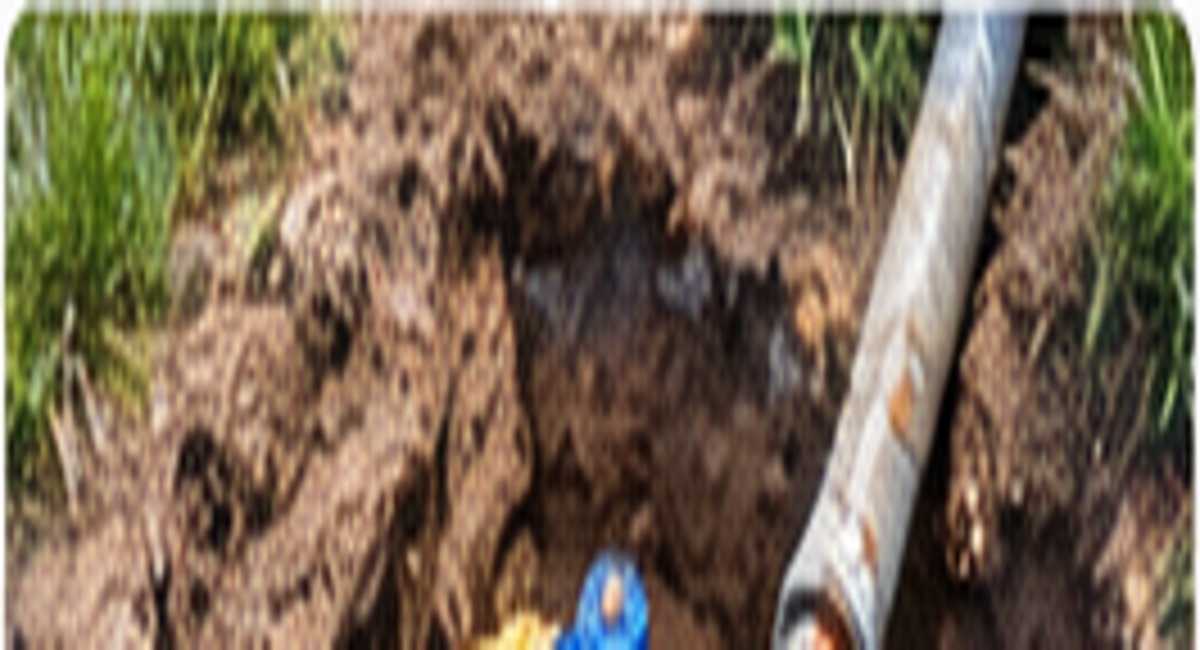
Signs that deserve attention
Look for wet spots that remain after dry weather, areas of grass that grow differently from surrounding turf, soil that stays soft, unexplained erosion, or a sprinkler zone that does not behave normally. A meter that registers usage when the house and irrigation should be off can also be a clue. None of these signs alone identifies the break.
Why irrigation leaks can be misleading
Water from a buried line can travel through soil before reaching the surface. A visible damp patch can therefore sit some distance from the damaged pipe. Slope, soil texture, trench backfill and the pressure in the line can all affect where the water appears. That is why digging directly at the wettest spot can create unnecessary damage.
Compare the symptom with the irrigation schedule
Note whether the moisture appears only after irrigation runs or remains between cycles. Check whether a particular zone produces the symptom. If one zone shows unusual pressure, poor sprinkler performance, or a sudden change in water use, that information can help narrow the problem. A record of what happens before and after a cycle is more useful than a one-time observation.
Look for obvious above-ground issues first
Broken sprinkler heads, missing nozzles, valve problems and damaged fittings can waste water without any underground pipe failure. Check visible components without opening buried lines. If you are not comfortable operating or inspecting the system, leave the diagnosis to a qualified professional.
Where professional leak detection helps
If the system appears to be losing water underground, a provider can assess whether the problem is better approached with pressure testing, acoustic listening, targeted inspection or another method. The purpose is to reduce guesswork before excavation. The specific method depends on pipe layout, material, pressure and access.
Do not confuse utility locating with leak locating
Texas811 helps identify underground utility lines before digging. It does not diagnose your irrigation leak for you. Use utility locating as a separate safety step before excavation, even if you already suspect the pipe route.
What to document before a service call
Record the location of damp soil, which irrigation zone was running, when the symptom began, whether the meter or bill changed, and any previous landscaping or irrigation work. A few photos can show how the surface changes over time. These details can help a provider focus on the most plausible section of the system.
When to stop and get help
If the water loss is active, the ground is eroding, a buried line is undermining a walkway, or excavation would be extensive, professional help becomes more valuable. Finding the source before digging can protect landscaping and reduce the chance of cutting another buried utility.
How this information helps with the next call
The purpose of a good informational guide is to reduce uncertainty before a service request. Write down the symptom in plain language, identify where it appears, and separate what you observed from what you think caused it. That makes the request easier for an independent provider to understand and reduces the chance of committing to a diagnosis before the property has been evaluated. It also gives you a useful checklist for comparing what the provider says with the evidence you observed.
For DeSoto customers, keep local utility or safety questions separate from the physical inspection. A city policy, a water-use record, a buried-utility locating requirement and a private leak-detection assessment are different pieces of the same situation. When those responsibilities are clear, the customer knows which organization to ask for each answer. That clarity is one of the simplest ways to make a leak-related decision process more organized.
Sources and further reading
Common questions
Can a wet patch prove an irrigation leak?
No. Drainage, rainfall and overspray can create similar symptoms.
Should I dig where the grass is wet?
Not before considering other causes and contacting 811 when excavation is possible.
Can a leak-detection professional locate irrigation leaks?
Some providers can evaluate irrigation-related water loss; ask about the specific system and service scope.
Will a meter show an irrigation leak?
It may show ongoing water use, but it does not identify the source.
Need help with a suspected leak?
Describe the symptom, property type and affected area. This referral service can help connect you with an independent local professional when an appropriate provider is available.
Call (972) 947-9742Contact