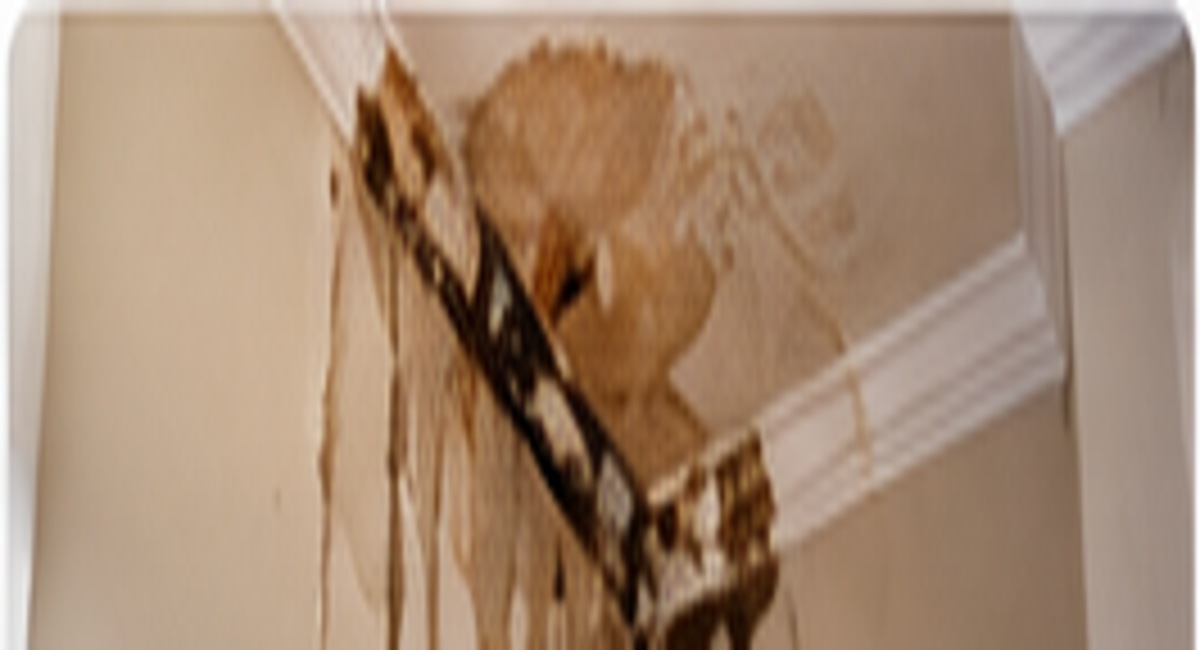
Quick answer: A ceiling stain can come from a plumbing supply or drain line, a bathroom fixture, HVAC condensate, roof or exterior water intrusion, or another source. The safest way to narrow it is to document when it appears and compare the stain with the systems above or nearby rather than assuming the spot is directly below the leak.
Quick answer: Use the symptoms and property context in this guide to narrow the likely leak category, then confirm the physical source with an appropriate professional inspection. The exact method depends on the system and conditions at the property.
Written by the DeSoto Leak Detection Editorial TeamReviewed for clarity, safety, local relevance, and source attribution.
Next useful step: interior wall & ceiling leak detection can help when the symptom points to that system, while thermal imaging & moisture scans covers a different diagnostic path. For local context, see leak detection in Trees Farm. For the broader topic, return to the DeSoto leak detection homepage.
Ceiling leaks are frustrating because gravity encourages a simple assumption: the leak must be directly above the stain. Water does not always travel that way. It can move along framing or other materials before becoming visible, so a focused source investigation can save time and avoid opening the wrong area.
For local context, see
ceiling leak detection. For area-specific information, see
leak detection in Candle Glow. For the broader topic, visit our
DeSoto leak detection resource.
Questions that help separate possible sources
Timing can be as useful as location.
- The stain becomes active during or after showering, bathing or fixture use.
- The stain appears after rainfall or exterior moisture conditions.
- Moisture occurs when an HVAC system runs or around a condensate route.
- The same ceiling area becomes wet even when the room above is not in use.
- The stain repeatedly dries and returns, suggesting an intermittent source.
How a professional evaluation is typically approached
The provider may compare the stain with the systems above it before selecting a detection tool.
01
Map the stainRecord its shape, edges, active moisture and relationship to rooms above.
02
Review timingDetermine whether water use, HVAC operation or weather correlates with the symptom.
03
Inspect likely systemsCheck accessible plumbing, HVAC condensate paths and exterior interfaces as appropriate.
04
Use targeted detectionMoisture, thermal or other diagnostic methods may help narrow a concealed source.
Do not assume the visible stain is the leak location
A ceiling cavity can carry water away from the point of entry. This is particularly important when a stain sits near the edge of a room or appears below a different area than expected. The diagnostic goal is to trace the source, not simply to find the wettest piece of drywall.
If the ceiling material is swollen, sagging or actively wet, avoid unnecessary contact and keep people clear of the affected area while the source is addressed. The next step should prioritize safety and containment, not cosmetic repair.
What to have ready before you call
Provide:
- Room and ceiling location
- Whether there is a bathroom or plumbing space above
- Whether the symptom follows rain, showers or HVAC operation
- Photos of the stain and surrounding finish
- Whether the ceiling is currently wet or sagging
Practical DeSoto context and next-step guidance
For a DeSoto property, the useful starting point is the pattern of the symptom rather than an assumption about the cause. With bathrooms, supply lines, drain lines, HVAC condensate, and roof-adjacent areas, the same visible clue can have different explanations depending on where water, air, pressure, or moisture is traveling. A careful source investigation therefore starts with observations that can be repeated and compared: when the symptom appears, whether it changes with water use, whether weather or HVAC operation matters, and whether the affected area is close to a known plumbing route.
A practical way to think about ceiling water stains is to separate three questions: what is happening, where is it happening, and what evidence can narrow the source. That sequence helps avoid premature repair assumptions. For example, a stain, wet patch, pressure change, sound, or water-bill increase is evidence of a symptom, not automatically proof of the exact failed component. A provider may use one method to narrow the area and another to confirm the source before recommending access or repair.
The diagnostic method should match the property and the symptom. Source tracing before cosmetic repair can involve visual inspection first, followed by targeted use of moisture measurements, thermal imaging, acoustic equipment, pressure observations, or another specialized technique when appropriate. No single instrument produces perfect results in every building. Surfaces, insulation, temperature, pipe material, water pressure, accessibility, and the timing of the leak can all affect what a test can show. Good source location is therefore based on converging clues rather than a single reading.
Before a call, write down the exact room or outdoor area involved, what the symptom looks or sounds like, when it began, and whether it changes after showers, fixture use, irrigation, HVAC operation, or rainfall. Take a few clear photos without moving damaged materials unnecessarily. If the issue is active, note whether water is spreading, pooling, staining a ceiling, or changing the appearance of flooring or walls. Those details give the referring service and the independent provider a more useful starting point.
Because this website serves DeSoto, TX, the local page and the service page should work together rather than repeating the same paragraph. A neighborhood page adds location context, while the service page explains the diagnostic topic in depth. From an SEO standpoint, this article supports that structure by answering a specific informational question and then directing readers to the relevant leak-detection service when they need a professional next step.
The most useful next step is not always immediate repair. In many situations the priority is first to establish whether there is an active leak, then identify the source, and only then decide what repair or restoration work is justified. That order can reduce unnecessary demolition and helps the property owner understand what was actually found. For a referral service, the call is the connection point: the customer describes the issue, the request is matched to an appropriate local professional when available, and the provider determines the inspection, testing, pricing, and repair details.
Common questions
Can a ceiling stain be caused by a leak from another room?
Yes. Water can travel through framing and other materials before appearing elsewhere.
Can thermal imaging find a ceiling leak?
It may help identify temperature or moisture patterns when the conditions produce a usable signal. It should not be treated as a universal answer.
Should I cut into the ceiling to find the source?
Avoid exploratory demolition unless a qualified professional has determined that access is appropriate. Source-location methods can sometimes narrow the area first.
What if the ceiling is sagging?
Keep people away from the area and obtain professional help promptly. A saturated ceiling material can create a physical hazard.
How this guide was preparedPractical, sourced and transparent
We separate what can be explained from general guidance, what depends on the property, and what must be confirmed by an independent provider or public authority.
Clear authorship
Prepared by the DeSoto Leak Detection Editorial Team with a reader-first editorial process.
Claim discipline
No fabricated reviews, licenses, awards, pricing promises, response times or field-work claims.
Primary-source links
Safety and utility topics point readers to official sources when a public authority is the right reference.
Sources and further reading
Need help with a suspected leak?
Call and explain the symptom, property type and ZIP. This referral service can help connect you with an appropriate local professional.